
Kids Martial Arts In Arizona: A Parents Guide
Table Of Contents
- Why Parents are Choosing Martial Arts for Their Kids in Arizona
- Best Age to Start Kids Martial Arts
- What Kids Actually Get From Martial Arts
- The Different Kids Martial Arts Styles
- How to Choose the Right Kids Martial Arts Gym
- Red Flags to Watch For
- What to Expect on the First Class
- Kids Martial Arts and School Performance
- Anti-Bullying and Self Defense for Kids
- Kids Martial Arts and ADHD
- Building Confidence in Shy Kids
- Should Your Kid Compete
- Kids Martial Arts Costs in Arizona
- Summer Camps and Special Programs
- Kids Programs at Fight Ready
- Frequently Asked Questions
Why Parents Are Choosing Martial Arts For Their Kids In Arizona
Walk into any kids martial arts class in Scottsdale, Phoenix, or anywhere in the East Valley and you will see something different than what you saw 20 years ago. Kids are not lined up in white uniforms shouting in unison while practicing forms. They are grappling, drilling techniques in pairs, holding pads for each other, and learning real skills.
Arizona parents have figured out something important. The right martial arts program does more than burn off energy. It teaches kids how to think under pressure, how to lose without quitting, how to win without bragging, and how to handle conflict without panic. These are life skills, and they show up at school, on the playground, at home, and eventually at work.
In a state where outdoor sports get sidelined for half the year because of the heat, indoor activities matter more. Martial arts gives Arizona kids a year-round, climate-controlled environment to build skill, fitness, and character. Unlike team sports, there is no bench. Every kid trains every class. There is no pressure to make the starting lineup. There is no parent politics. There is just the mat and the work.
This guide walks you through everything you need to know as a parent considering martial arts for your child. What to look for, what to avoid, what to expect, and how to know if it is working.
Best Age To Start Kids Martial Arts
The single most common question parents ask is when their kid is ready to start. The answer depends on your child, but some guidelines help.
Ages 3 to 4
Some programs accept kids as young as three or four. At this age, classes focus on basic coordination, listening skills, and following directions. Think of it as preschool with martial arts themes. Most three and four-year-olds are not developmentally ready for real technique, but they can build comfort on the mat and burn off energy. Parent participation is often expected at this age.
Ages 5 to 7
This is the sweet spot for most kids to start. Five-year-olds can follow multi-step instructions, drill technique with a partner, and engage with the structure of a real class. The focus is still on fun, but real skill development begins here. Kids this age can start to understand the rules of grappling, the names of techniques, and the etiquette of training.
Ages 8 to 12
Eight to twelve-year-olds can handle the full structure of an adult-style class scaled to their age. Technique drilling becomes serious. Light sparring under supervision becomes part of training. Many kids who start in this range progress faster than younger kids because they have the cognitive ability to understand strategy.
Teens
Teenagers often train alongside adults in some classes and in dedicated teen classes in others. By age 13 or 14, most kids have the body control and focus to train at near-adult intensity. This is also the age where competitive opportunities expand significantly.
Is It Ever Too Late
Not at all. Kids can start martial arts at any age. A 12-year-old who starts BJJ today will be a competent grappler by high school. A 15-year-old who starts kickboxing will have real skill before college.
What Kids Actually Get From Martial Arts
Parents sometimes worry that martial arts will make their kids aggressive. The opposite is true. Kids who train regularly are typically the calmest, most controlled kids in their school. Here is what they actually gain.
Discipline
Showing up to class twice a week for years builds discipline that transfers everywhere. Kids learn that progress requires consistency, even when motivation is low. This translates to homework, chores, and eventually work ethic as adults.
Focus
Martial arts classes demand attention for an hour. Kids learn to track the instructor, watch their training partners, and execute multi-step techniques. Teachers consistently report that kids who train martial arts focus better in class.
Confidence
Real confidence comes from real skill. When a kid earns a belt they did not have before, when they execute a technique that took weeks to learn, when they navigate a sparring round, they build internal confidence that cannot be faked.
Respect
Quality martial arts programs require respect for instructors, training partners, and the practice itself. Kids learn to bow, to shake hands, to use sir and ma'am, and to treat others the way they want to be treated. This becomes habit.
Physical Skill
Coordination, balance, body awareness, strength, and conditioning all develop through regular training. Kids who train martial arts tend to be more athletic across other sports as well.
Self Defense
Real, functional self defense matters more for kids than most people realize. The ability to handle a physical confrontation calmly changes how a kid carries themselves. Bullies notice.
Resilience
Martial arts teaches kids how to lose. Every kid will get tapped in BJJ, get hit in kickboxing, and fail to execute a technique countless times. Learning to keep trying after failure is one of the most valuable lessons any kid can receive.
Friendships
Kids who train together build close friendships outside of school cliques. Many martial arts kids find their best friends at the gym.
The Different Kids Martial Arts Styles
Not all martial arts are equal for kids. Here is a breakdown of the main options available in Arizona.
Brazilian Jiu Jitsu
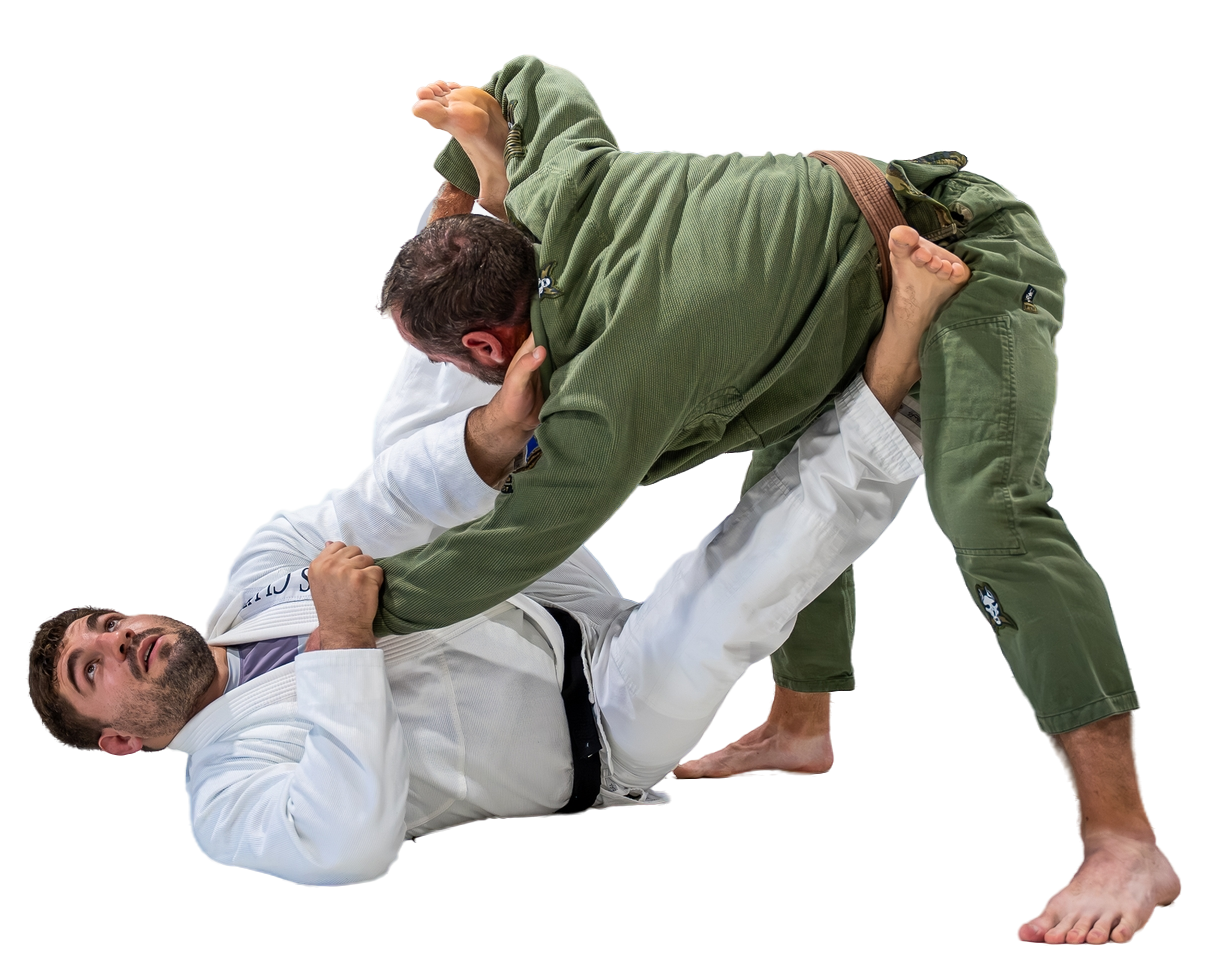
BJJ is the fastest growing martial art for kids in Arizona for good reason. It teaches real grappling, has a clear progression system, and has one of the lowest injury rates of any martial art. There is no striking, so kids do not get hit. The leverage-based system means small kids can effectively control larger kids.
BJJ is excellent for kids who deal with bullying because most school fights end up on the ground. A kid who knows basic BJJ has a massive advantage in any real altercation, and the confidence they gain often prevents fights from happening in the first place.
Kickboxing and Muay Thai
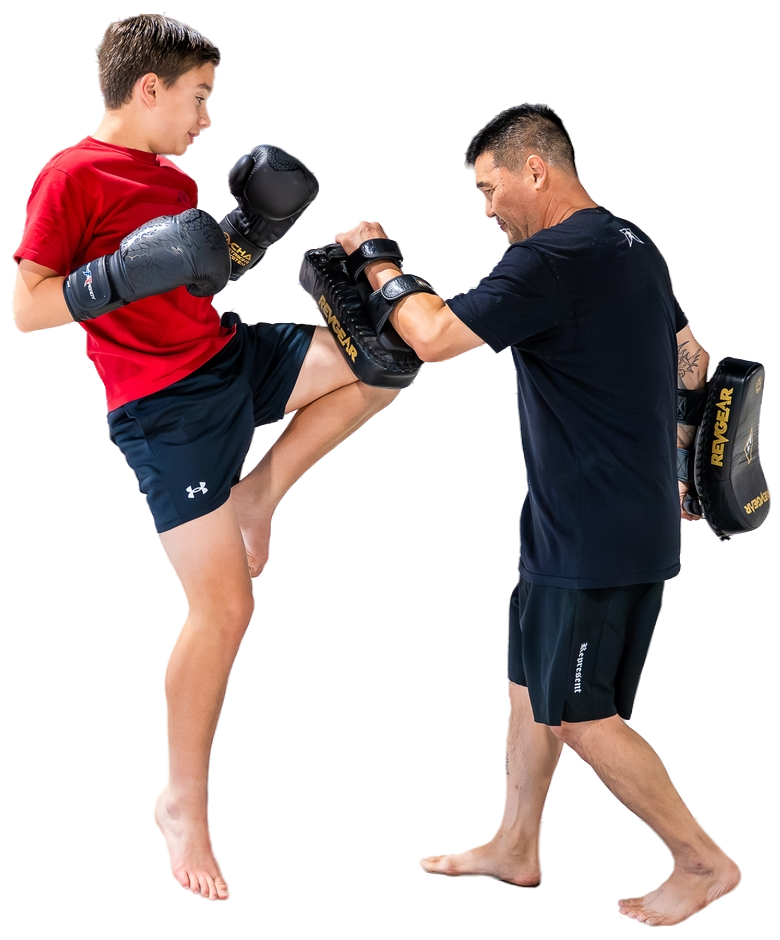
Kids kickboxing focuses on technique, fitness, and coordination. Quality programs use heavy bags, focus mitts, and partner drills. Sparring, when introduced, uses full protective gear and is heavily supervised. Kickboxing builds explosive athleticism and self-confidence.
Boxing
Kids boxing has had a renaissance in recent years. The focus on footwork, head movement, and hand-eye coordination builds athletic skills that transfer everywhere. Most quality kids boxing programs introduce light contact sparring only after months of fundamental training.
Wrestling
Wrestling builds incredible body control, strength, and toughness. Many high school wrestlers were great athletes in other sports because wrestling teaches body awareness that nothing else matches. Wrestling clubs are growing in Arizona, with year-round programs available.
Karate and Taekwondo
Traditional karate and taekwondo are the most familiar martial arts to American parents. They emphasize forms, kicks, and traditional structure. Quality programs build discipline and respect but tend to focus less on functional self defense than grappling-based arts.
Mixed Martial Arts for Kids
Kids MMA programs blend grappling, striking, and wrestling into a single program. This is a great approach because it exposes kids to all the major skill sets without locking them into one style. They can find what they love most and specialize as they grow.
How To Choose The Right Kids Martial Arts Gym
The gym matters more than the style. A great BJJ gym will produce better outcomes than a mediocre kickboxing gym. Here is what to look for.
Watch a Class
Before signing up, visit during a kids class. Watch how the coaches interact with the kids. Are they patient? Do they use the kids names? Is there structure or chaos? Do older kids help younger ones, or is there a clear hierarchy that excludes beginners?
Coach Credentials
Look at the head coach for the kids program. What is their experience with kids specifically? Coaching adults and coaching kids are different skills. The best kids coaches are usually parents themselves or have years of dedicated experience with youth programs.
Class Size
Class size matters. A class with 30 kids and one coach cannot give individual attention. A class with eight kids and two coaches can. Ratio is more important than total class size.
Age Splits
Good programs separate ages appropriately. Five-year-olds and twelve-year-olds should not be in the same class. Look for at least two or three age divisions in the kids program.
Curriculum
Does the gym have a clear curriculum, or do classes feel random? A structured curriculum means kids are progressing toward something specific. Ask the head coach what your child will know in three months that they do not know now.
Belt System
Most kids martial arts programs use a belt system. Some are meaningful, some are not. A good belt system rewards real skill development, not just attendance. Be wary of programs that promote kids every two months regardless of progress, sometimes called belt mills.
Communication With Parents
Good gyms communicate. They share progress reports, behavior observations, and updates on what your kid is working on. If the gym never communicates with parents beyond billing, that is a red flag.
Safety Protocols
Ask about safety. How are injuries handled? What is the policy on illness? How is contact training supervised? Quality gyms have clear answers.
Red Flags To Watch For
The Contract Trap
Some martial arts schools push long-term contracts hard, sometimes 12 or 24 months at a time. These contracts often include clauses that make cancellation difficult even if your kid is unhappy. Read every line before signing. Quality programs do not need to lock you in.
The Belt Mill
A belt mill is a school that promotes kids on a schedule to keep parents paying for testing fees. Belt promotions cost $50 to $200 each at these schools. If your kid is promoted every three or four months without demonstrable skill growth, you may be in a belt mill.
Mandatory Tournaments
Some schools require kids to compete in tournaments that the school runs. These tournaments are often profit centers. Competition should be optional, especially for younger kids.
Endless Add-On Fees
Testing fees, uniform fees, tournament fees, summer camp fees, leadership program fees. If every program at the gym has a separate cost layered on top of membership, the value is probably not there.
Cult-Like Culture
Some martial arts schools take themselves very seriously in unhealthy ways. Pressure to compete, public ranking displays, intense devotion expected toward the head coach. Look for warmth and humility, not hero worship.
What To Expect On The First Class
The first class is the make-or-break moment for many kids. Here is how to set them up for success.
Talk to Your Kid Before the Class
Explain what is going to happen. They will meet a coach. They will train with other kids. They will probably feel nervous. That is normal. The goal of the first class is just to have fun and try something new.
Dress Appropriately
Most gyms in Arizona provide a loaner uniform for the first class. Athletic clothes are fine if not. Bring a water bottle. No jewelry.
Arrive Early
Show up 15 minutes before class so your kid can meet the coach, see the space, and feel comfortable before things start.
Sit Back and Watch
Most gyms have a parent viewing area. Sit there, watch quietly, and resist the urge to coach from the sideline. Let your kid have their own experience.
Reactions Vary
Some kids love the first class and beg to come back. Some are quiet and need time to process. Some say they hate it after the first class but love it by class three. Give your kid at least three to five classes before deciding whether martial arts is right for them.
What to Say After
Avoid asking if they liked it. Instead ask what they learned, who they met, and what was the hardest part. Open-ended questions get better information than yes or no.
Kids Martial Arts And School Performance
Parents consistently report that their kids do better in school after starting martial arts. This is not just anecdotal. The structure of martial arts training builds specific cognitive skills that transfer to academic settings.
Attention Span
Following an hour-long class requires sustained attention. Kids who train regularly build the ability to focus longer in class.
Memory and Sequencing
Learning martial arts techniques means memorizing multi-step sequences and being able to execute them under pressure. This is exactly the cognitive skill students use in math and reading comprehension.
Self-Regulation
Kids who train learn to manage their emotions during high-pressure moments like sparring or competition. This self-regulation shows up at school as fewer behavior incidents and better stress response during tests.
Goal Setting
Working toward a belt promotion teaches kids what it feels like to set a long-term goal and work toward it. Many parents see this translate into kids setting and achieving academic goals.
Anti-Bullying And Self Defense For Kids
Physical Confidence Prevents Bullying
Bullies target kids who look scared. A kid who carries themselves with confidence is rarely targeted in the first place. Martial arts training gives kids a quiet self-assurance that bullies pick up on without anyone saying a word.
De-escalation Skills
Quality kids martial arts programs teach kids how to de-escalate situations before they become physical. Use your voice. Find an adult. Walk away. The physical skills are a last resort.
Real Self Defense if Needed
When de-escalation fails and a fight is forced on a kid, martial arts gives them tools to defend themselves without using unnecessary force. A BJJ-trained kid can control a bully without throwing a punch, often preventing real injury to either kid.
Building Empathy
Counter-intuitively, kids who train martial arts often become the protectors of smaller kids at school. The experience of being on the receiving end during sparring builds empathy for kids who are picked on.
Kids Martial Arts And ADHD
Many parents bring their ADHD kids to martial arts as part of a broader treatment approach. The combination of structure, physical activity, and immediate feedback creates an environment that works well for many kids with ADHD.
Movement as Regulation
ADHD kids often need movement to focus. Sitting still in school is hard. Martial arts uses movement productively, building cognitive control through physical engagement.
Clear Structure
ADHD kids thrive in environments with clear expectations. Martial arts classes follow a predictable structure. Warm-up, technique, drilling, end of class. The predictability is calming.
Immediate Consequences
In martial arts, the consequences of your choices are immediate. If you lose focus during drilling, you make a mistake. If you do not listen to the coach, you cannot execute the technique. Kids with ADHD respond well to fast feedback loops.
Physical Outlet
The intensity of martial arts training burns off excess energy in ways that help kids focus the rest of the day.
Coach Communication
Tell the head coach about your kid's ADHD. Good coaches will use specific techniques to keep your kid engaged, give them additional movement breaks if needed, and check in if they notice the kid struggling.
Bullying remains one of the biggest concerns Arizona parents bring to gyms. Martial arts addresses bullying in three ways.
Building Confidence In Shy Kids
Parents of shy kids often hesitate to enroll them in martial arts, worrying that the environment will be too intense. The opposite is usually true. Many of the most confident kids at any quality gym started as shy.
One-on-One Drilling
Most martial arts training happens in pairs. Shy kids quickly learn to communicate with one partner at a time. This builds social skills in low-pressure increments.
Earned Confidence
A shy kid who earns a belt or successfully executes a technique builds real confidence, not the empty kind that comes from being told they are special.
Safe Failure
In martial arts, you fail constantly. Every roll, every spar, every drill includes mistakes. Shy kids learn that failure is normal and survivable. This is a life skill that translates everywhere.
Mentor Relationships
Quality kids programs include upper-belt mentors who help newer kids. Shy kids often bond with these mentors and learn that adults outside their family can be trusted.
Should Your Kid Compete
Competition is optional in most martial arts. Some kids thrive on competition, others find it stressful. Here is how to think about it.
Benefits of Competing
Competition forces growth. It introduces kids to managing nerves, performing under pressure, and dealing with both winning and losing. Even one tournament a year provides valuable experience that gym training alone cannot replicate.
When to Wait
If your kid has been training less than six months, wait. If your kid does not want to compete and has not asked about it, do not push. If your kid is dealing with anxiety, talk to a counselor before adding the stress of competition.
How to Prepare
Talk through what will happen. Visit a tournament as a spectator first. Practice the specific competition rules so there are no surprises.
After the Match
Win or lose, focus on effort and what they learned. Treat both outcomes the same way. A kid who hears 'I am proud of how hard you worked' after a loss develops better long-term performance than a kid who only hears praise after wins.
Kids Martial Arts Costs In Arizona
Monthly Memberships
Kids martial arts programs in Arizona typically run $100 to $200 per month for unlimited training. Some gyms offer family discounts when multiple kids enroll, or when a parent also trains.
Gear
Initial gear costs $100 to $250 depending on the style. BJJ requires a gi. Kickboxing requires gloves, hand wraps, and shin guards. Most gyms in Arizona will help you source quality gear at fair prices.
Belt Promotions
Some gyms charge belt testing fees, typically $50 to $150 per promotion. Other gyms include promotions in the membership.
Tournaments
Local tournaments cost $50 to $100 to enter. National tournaments cost more once you factor in travel and lodging.
Total Annual Cost
Expect to spend $1,500 to $3,000 per year for a kid in a quality martial arts program.
Training As A Family
One of the underrated benefits of martial arts is that the whole family can train together. Many Arizona gyms have parents who train alongside their kids, and the results are powerful.
Shared Experience
When parents train, kids see the activity differently. It is not something parents force them to do while sitting in the lobby on their phones. It is something the family does together. Kids whose parents train are far more likely to stick with martial arts long term.
Real Modeling
Kids learn what they see, not what they are told. A parent who shows up consistently, works through frustration, and respects coaches and training partners teaches their kid more than any lecture could. Watching mom or dad fail at a technique and try again is one of the most valuable lessons a kid can receive.
Family Schedules at the Same Gym
Most quality gyms in Arizona stack their kids and adult classes so families can train back to back. A parent can do a 6 PM class while their kid is in the 6 PM kids class, or vice versa. This saves driving time and turns the gym into a regular part of family life.
Family Memberships
Many gyms offer family pricing for multiple members. Two kids and a parent on the same membership often costs less than three separate memberships.
Common Conversations
Families that train together end up talking about training. What techniques are working. What frustrations they faced in class. What they want to work on next. This shared vocabulary builds connection in a way that few other activities can match.
Building Lifetime Habits
Kids who grow up watching their parents train are kids who become adults that train. The habit transfers. Many of the most successful adult competitors in Arizona BJJ started training because their parents trained first.
How Long Until You See Results
Parents often ask how long until they see changes in their kid. The honest answer is that different changes happen on different timelines.
First Two Weeks
In the first two weeks, expect physical adjustment. Your kid will be tired after classes. They will probably feel sore the day after their first or second class. They will be learning gym etiquette, names of techniques, and the rhythm of class.
First Month
By the end of the first month, your kid should be able to execute basic techniques and demonstrate proper class behavior. Look for signs that they recognize their coaches and training partners by name. Notice if they start using martial arts vocabulary at home.
Three Months
Around the three-month mark, parents start to see behavior changes outside the gym. Better focus on homework. Easier mornings. Less arguing about chores. These changes are usually subtle and incremental, but they add up.
Six Months
By six months, your kid will have real martial arts skill. They will have started earning belt stripes or rank promotions. Their physical fitness will have improved noticeably. Their confidence will be visible.
One Year
After a year of consistent training, your kid will have undergone significant development in skill, fitness, character, and confidence. This is the point where most parents look back and realize their kid is fundamentally a different person than the kid who walked in for the first class.
Long Term
Kids who continue training martial arts through their teenage years often become exceptional adults. The discipline, work ethic, and resilience built through years of training transfer directly to college, careers, and relationships.
Summer Camps And Special Programs
Many Arizona martial arts gyms run summer camps that combine martial arts training with games, field trips, and other activities. These camps are popular because Arizona summers make outdoor camps impractical.
What Camps Include
Daily martial arts instruction at the kid's level. Other physical activities like obstacle courses or pool time. Educational components like character lessons or homework time. Lunch and snacks. Field trips to museums, parks, or movies.
Pricing
Summer camps in Arizona run $200 to $400 per week. Many gyms offer multi-week discounts.
Choosing a Camp
Look for ratios of one coach to eight kids or better. Look for clear daily schedules. Ask about food, breaks, and downtime structure. Visit before committing.
Kids Programs At Fight Ready
Fight Ready MMA & Fitness has been a home for kids martial arts in Scottsdale since 2014. Our kids program is built around real martial arts skill paired with character development.
Our Coaches
Hunter Azure leads the youth kickboxing program and coaches the amateur fight team. He is also an active professional MMA fighter. Bobby Moffett heads our no-gi BJJ program and coaches kids alongside adult classes. Our entire coaching staff has experience working with kids of all ages and skill levels.
Age Groups
Ages 5 to 7. Introduction to martial arts through games, drills, and basic technique. Ages 8 to 12. Full martial arts training with structured technique and controlled drilling. Teens 13 and up. Train alongside young athletes building real skill, fitness, and competition options.
What Kids Learn
Brazilian jiu jitsu, kickboxing, wrestling fundamentals, and life skills. Confidence, focus, discipline, and respect built into every class.
Class Schedule
Kids classes run multiple times per week, Monday through Saturday. Most kids attend two to three classes per week.
Free Intro Class
Every new family at Fight Ready gets a free intro class for their kid. No card required. Bring your kid, meet the coaches, see the gym, and decide on your own time.
Visit the Gym
Fight Ready is at 8666 E Shea Blvd Ste 147 in Scottsdale, two minutes from the 101 with free parking.
Frequently Asked Questions
What is the best age to start kids martial arts?
Most kids can start around age 5.
Will martial arts help my kid with focus and behavior?
Yes. Regular martial arts training consistently improves focus, discipline, and behavior.
Is martial arts safe for kids?
Yes when done at a quality gym with proper supervision and protective gear.
What is the best martial art for kids?
It depends on your goal. BJJ is excellent for real skill. Kickboxing builds athleticism. Most quality programs blend several arts.
How much does kids martial arts cost?
$100 to $200 per month for unlimited training in Arizona.
How often should my kid train?
Two to three classes per week.
Try A Free Kids Class
Your kid's first class is free. Bring them in, meet our coaches, see if Fight Ready is the right fit.
