
Kickboxing Vs Boxing Vs Muay Thai: The Complete Comparison Guide
Table Of Contents
- Why This Comparison Matters
- Boxing: The Sweet Science
- Kickboxing: Punches and Kicks
- Muay Thai: The Art of Eight Limbs
- Quick Comparison Chart
- Which is Best for Self Defense
- Which is Best for Fitness
- Which is Best for Competition
- Which is Best for Beginners
- Which is Best for MMA Crossover
- Which is Best for Women
- Which is Best for Kids
- Cost Comparison
- Injury Risk Comparison
- Gear Comparison
- Training at Fight Ready
- Frequently Asked Questions
Why This Comparison Matters
Walk into any martial arts gym and you will see three options for striking. Boxing, kickboxing, and Muay Thai. They look similar on the surface. They all involve punching. They all build conditioning. They all teach you to hit pads and bags. But the differences matter, and the right choice depends on your goals.
This guide breaks down each striking art in detail and gives you a clear framework for choosing. Whether you want fitness, self defense, competition, or a foundation for MMA, this guide will help you make the right call.
All three arts are taught at Fight Ready in Scottsdale. Many of our members train two or three of them in the same week. Understanding the differences will help you decide where to start and what to add as you grow.
Boxing: The Sweet Science
Boxing is the oldest combat sport in continuous practice. Modern boxing rules date back to the 1860s in England. The sport has produced legendary athletes, recognizable cultural icons, and entire training methods that influence every striking art that came after.
What Boxing Involves
Boxing uses six punches. The jab. The cross. The lead hook. The rear hook. The lead uppercut. The rear uppercut. Everything else is a variation of these six. Boxers also throw to the body, which counts as three of the punches at different heights. That is the entire striking arsenal.
But the depth of boxing is in everything around the punches. Footwork. Head movement. Distance management. Setting up combinations. Counters. Defense. The art is in how you deliver those six punches, not in adding more of them.
What Boxing Builds
Boxing builds exceptional hand-eye coordination. It builds explosive power in the upper body. It builds cardio that few other sports can match because boxers train in three-minute rounds with one-minute rests. It builds mental focus because there is no room to drift when a partner is throwing punches at you.
Boxing's Reputation
Boxing is sometimes dismissed as outdated because it only uses hands. This is wrong. In a real street altercation, hands are used more often than any other weapon. A skilled boxer is an extremely dangerous person to fight, even without kicks or grappling. The simplicity of boxing is its strength.
Famous Boxers
Boxing has produced more household-name athletes than any other martial art. Muhammad Ali. Mike Tyson. Sugar Ray Leonard. Manny Pacquiao. Floyd Mayweather. Canelo Alvarez. Tyson Fury. The list goes on. This name recognition has kept boxing relevant even as MMA has risen.
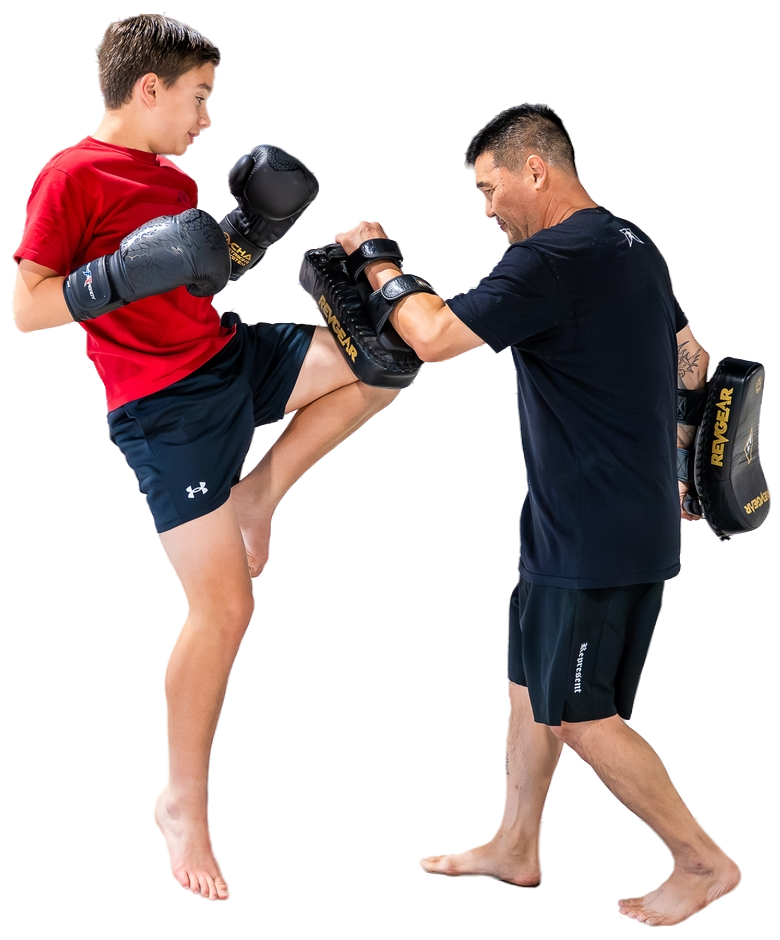
Kickboxing: Punches And Kicks
Kickboxing is the natural evolution of boxing. Take boxing's hand techniques and add kicks. The result is a striking art that covers more range and offers more options.
Types of Kickboxing
There are several variations of kickboxing. Dutch kickboxing emphasizes hard low kicks and punching combinations. American kickboxing focuses on punches and kicks above the waist. K-1 kickboxing combines elements of multiple striking styles. Modern competitive kickboxing organizations like Glory and ONE Championship attract elite athletes from around the world.
What Kickboxing Involves
All of boxing's punches plus kicks. Round kicks to the legs, body, and head. Front kicks (also called teeps in some styles). Side kicks. Spinning back kicks for advanced students. Knees in some kickboxing styles but typically not in pure kickboxing.
What Kickboxing Builds
Kickboxing builds everything boxing builds plus full-body coordination. The leg techniques add a layer of athleticism. Kickboxers tend to have exceptional hip flexibility and balance. The cardio demand is even higher than boxing because the legs are involved in every exchange.
Kickboxing's Appeal
Kickboxing offers the variety boxing lacks. There are more techniques to learn, more combinations to master, more strategic options. For people who get bored with the limited toolkit of pure boxing, kickboxing is the natural step up.
Kickboxing for Fitness
Cardio kickboxing classes at chain fitness centers are a different thing from real kickboxing. Cardio kickboxing uses kickboxing-themed movements for general fitness. Real kickboxing teaches the actual techniques fighters use. Quality gyms in Scottsdale teach real kickboxing for any level.
Muay Thai: The Art Of Eight Limbs
Muay Thai is Thailand's national sport and one of the most respected striking arts in the world. It has been practiced for centuries and is the foundation of much of modern MMA striking.
Why Eight Limbs
Muay Thai uses eight points of contact. Two fists. Two elbows. Two knees. Two shins. Compared to boxing's two limbs (fists) or kickboxing's four limbs (fists and shins), Muay Thai has the most complete striking toolkit.
What Muay Thai Involves
Punches, kicks, elbows, knees, and clinch work. The clinch is unique to Muay Thai and Muay Thai-derived systems. From the clinch, fighters throw knees, sweeps, and short elbows. The clinch is a domain few other striking arts touch.
What Muay Thai Builds
Muay Thai is the most physically demanding of the three. The shin kicks build exceptional bone density and conditioning. The knee strikes require core strength. The clinch demands full-body coordination. The cardio is brutal because Muay Thai uses every part of the body simultaneously.
Cultural Context
Muay Thai carries the cultural traditions of Thailand. Pre-fight rituals, music, and respect protocols are part of the art. Many quality Muay Thai gyms in Arizona honor these traditions while making the sport accessible to Western students.
Muay Thai in MMA
Muay Thai is the most common striking base for MMA fighters. The eight limbs cover almost every striking situation, including the clinch range that pure boxers and kickboxers struggle with. UFC champions like Anderson Silva, Joanna Jedrzejczyk, and Valentina Shevchenko built their games on Muay Thai foundations.
Quick Comparison Chart
| Sports | Tools | Range | Best For | Learning Curve | Conditioning | Injury risk |
|---|---|---|---|---|---|---|
| Boxing | 2 (fists) | Close to medium | Hand technique mastery and self defense | Steep technical depth | High | Moderate |
| Kickboxing | 4 (fists and shins) | Close to long | Variety and full-body fitness | Moderate | Very high | Moderate to high |
| Muay Thai | 8 (fists, shins, knees, elbows) | All ranges including clinch | Complete striking and MMA crossover | Steepest | Highest | Moderate to high |
Which Is Best For Self Defense
Boxing
Boxing is excellent for self defense. The majority of real altercations involve punches at close range. A trained boxer can defend themselves against most untrained attackers using only hand techniques. The footwork built in boxing also helps you stay out of bad positions or close distance to escape.
Kickboxing
Kickboxing adds the ability to use kicks for distance and to disengage. A low kick to an attacker's leg can buy you time to escape. However, kicking in real-world clothing is harder than people realize, and shoes, pants, and uneven ground can interfere with techniques.
Muay Thai
Muay Thai is the most versatile self defense option. Elbows are particularly useful at close range when an attacker is too close to punch. Knees in the clinch work well in confined spaces. The clinch itself is incredibly valuable in real-world self defense because most fights end up in some form of clinch or grappling.
The Best Answer
For pure self defense, boxing plus some grappling (BJJ or wrestling) is often the strongest combination because it covers the two most common ranges of real fights. For a complete striking option, Muay Thai is the most versatile choice.
Which Is Best For Fitness
All three burn similar calories at similar intensities. The differences come in what kind of fitness you build.
Boxing for Fitness
Boxing builds explosive upper-body power, exceptional cardio, and lean muscle. Boxers often have lower body fat than other athletes because the training is so intense. Boxing is great for runners and cyclists who want to add upper-body strength without bulky muscle.
Kickboxing for Fitness
Kickboxing builds the most balanced fitness across all three arts. Upper body strength from punches. Lower body explosiveness from kicks. Core strength from rotational movement. Hip flexibility from kicking. It is one of the best total-body workouts available.
Muay Thai for Fitness
Muay Thai is the most physically demanding option. The clinch work especially builds full-body strength in a way nothing else replicates. Muay Thai athletes often have the leanest, most athletic-looking physiques in combat sports.
Calorie Burn
A 60-minute class in any of these arts burns 500 to 1000 calories depending on intensity and your size. Muay Thai tends to burn slightly more because of the full-body kicks and knees.
Which Is Best For Competition
Boxing Competition
Boxing has the most established amateur and professional competition scene. USA Boxing runs sanctioned amateur events at every level. Professional boxing offers a path to legitimate income for elite fighters. Boxing matches are typically three to twelve rounds depending on level.
Kickboxing Competition
Kickboxing competition has grown significantly in the past decade. Organizations like Glory, ONE Super Series, and various regional shows offer real competition. The amateur scene includes WAKO, ISKA, and others. Most kickboxing matches are three to five rounds.
Muay Thai Competition
Muay Thai has a robust amateur scene in the United States and a growing professional one. The IFMA (International Federation of Muaythai Associations) runs amateur events globally. Professional Muay Thai is huge in Thailand and growing in the West through ONE Championship and other organizations. Matches are typically three to five rounds.
Best Competition Path
For someone who wants to compete with the most opportunities, boxing offers the deepest amateur scene. For someone who wants to compete with the most physical variety, Muay Thai offers the richest skill set.
Which Is Best For Beginners
Boxing for Beginners
Boxing has the steepest learning curve in pure technique. You only have six punches to work with, so the technique must be perfect. Beginners can feel frustrated because the fundamentals are subtle. The flip side is that boxing builds a deeper foundation that scales for life
Kickboxing for Beginners
Kickboxing is often easier for beginners than boxing. The variety means there is always something new to learn, which keeps motivation high. Beginners can feel competent at a kick faster than they feel competent at a perfect jab.
Muay Thai for Beginners
Muay Thai has the most material to learn. This can feel overwhelming. However, the clinch work and elbow techniques are usually introduced gradually, so beginners can build up to them. The shin conditioning that scares some beginners away is also a non-issue at the recreational level.
The Best Beginner Choice
Try all three if you can. Different bodies respond differently. Some adults love the simplicity of boxing. Others find boxing boring and prefer the variety of kickboxing or Muay Thai. Listen to your body and your interest level.
Which Is Best For MMA Crossover
If your end goal is to train MMA, the choice of striking art matters more.
Boxing for MMA
Boxing provides exceptional hand technique for MMA. Most successful MMA fighters have strong boxing skills. The downside is that boxers must adapt to defend takedowns and kicks, which are not part of pure boxing training.
Kickboxing for MMA
Kickboxing translates well to MMA because the punches and kicks transfer directly. However, the absence of clinch work means kickboxers must add this skill separately for MMA.
Muay Thai for MMA
Muay Thai is the most directly applicable striking art to MMA. The elbows are legal in MMA. The clinch is identical or nearly identical. The kicks work the same. Most MMA fighters who specialize in striking have a Muay Thai foundation.
The MMA Best Choice
Muay Thai is the most efficient single striking art for MMA. That said, many MMA fighters mix Muay Thai with boxing for hand technique. The best MMA strikers train all three over time.
Which Is Best For Women
All three are excellent for women. The choice depends on personal preference, not gender.
Boxing For Women
Boxing has seen explosive growth among women in the past decade. Women's boxing is now an Olympic sport. Many women find boxing empowering because it focuses on technique and intelligence over brute strength.
Kickboxing For Women
Kickboxing is one of the most popular fitness activities for women in the United States. The combination of cardio, strength, and variety appeals to many female students. Real kickboxing classes (as opposed to gym cardio kickboxing) build genuine skill and confidence.
Muay Thai For Women
Muay Thai has grown rapidly among women, especially through the rise of MMA. The clinch work is particularly valuable for self defense because most real attacks on women involve close-range physical contact.
Class Considerations
Most quality gyms have multiple women training as regulars. Some offer women's-only classes. Visit the gym before joining to see if the culture feels welcoming.
Which Is Best For Kids
Boxing for Kids
Kids boxing builds hand-eye coordination, footwork, and discipline. Quality kids boxing programs use light contact only, with heavy emphasis on technique and conditioning. Boxing's relative simplicity makes it accessible to kids as young as six or seven.
Kickboxing for Kids
Kids kickboxing is one of the most popular kids martial arts programs in Arizona. The variety keeps kids engaged. The kicks build athletic skill that transfers to other sports. The pad work and bag work are fun and energetic.
Muay Thai for Kids
Pure Muay Thai for kids is rare. Most kids programs that teach Muay Thai elements blend them with kickboxing. The elbows are usually excluded from kids training. The full art is typically reserved for teens and adults.
Best for Kids
Kids kickboxing is the most popular and accessible striking art for kids. Boxing is a strong alternative for kids who want depth in fewer techniques.
Cost Comparison
Boxing Costs
Boxing memberships in Scottsdale run $120 to $200 per month. Boxing-only gyms tend to be on the lower end. Combined gyms offering boxing alongside other martial arts charge more for unlimited access.
Kickboxing Costs
Kickboxing memberships run $130 to $220 per month in Scottsdale. Similar pricing structure to boxing with a slight premium for the additional techniques.
Muay Thai Costs
Muay Thai memberships run $130 to $230 per month in Scottsdale. Some specialty Muay Thai gyms charge more for the focused training. Combined martial arts gyms typically include Muay Thai in their full membership.
Gear Costs
All three require boxing gloves, hand wraps, and a mouthguard. Kickboxing and Muay Thai also require shin guards. Total gear cost for any of the three is $150 to $300 to start.
Injury Risk Comparison
Boxing Injuries
Hand injuries are most common in boxing due to repeated punching. Wrist sprains, finger injuries, and bruising are typical. Head injury risk is higher than the other two arts because all strikes target the head. Quality gyms minimize this with controlled sparring and proper headgear.
Kickboxing Injuries
Hand injuries plus shin injuries are most common. Beginners often bruise their shins on bags and partners until conditioning develops. Knee strains from twisting on kicks can happen with poor technique. Head injury risk is similar to boxing.
Muay Thai Injuries
Highest variety of potential injuries because of the most techniques. Shin conditioning takes months. Elbow strikes carry cutting risk in sparring. The clinch can lead to neck strains. The flip side is that Muay Thai practitioners often have less repetitive head impact than boxers because the head is not the only target.
Reducing Risk
All three are safer at quality gyms with proper supervision, controlled sparring, and good gear. Train light, drill clean, and listen to your body. Most adult recreational students train for years without serious injury.
Gear Comparison
Boxing Gear
Hand wraps. Boxing gloves (typically 14 to 16 ounces for training). Mouthguard. Headgear for sparring. That is essentially the complete kit.
Kickboxing Gear
Hand wraps. Boxing or kickboxing gloves. Mouthguard. Shin guards. Headgear for full sparring.
Muay Thai Gear
Hand wraps. Muay Thai gloves (often slightly different shape than boxing gloves). Mouthguard. Shin guards. Headgear for sparring. Elbow pads for elbow-specific drills. Optional Thai shorts for training and competition.
Quality Brands
For all three: Hayabusa, Venum, Fairtex, Sanabul, Twins, Yokkao, and others. Quality gear lasts years. Cheap gear falls apart fast and can fail at bad moments.
Training At Fight Ready
Fight Ready in Scottsdale offers all three striking arts under one roof. Members can train one or mix all three depending on their goals.
Our Striking Coaches
Eddie Cha is the Professional MMA Team Striking Coach with elite-level kickboxing and Muay Thai background. Kyle Estrada is a Professional Fight Team Coach and dedicated kickboxing instructor. Bryce Logan teaches boxing and Muay Thai as an active Pro MMA fighter. Hunter Azure leads our youth kickboxing program.
Class Structure
Dedicated boxing classes. Dedicated kickboxing classes. Dedicated Muay Thai elements within kickboxing and MMA classes. Beginners can start in fundamentals and progress through any of the three styles.
Free Intro Class
Every new student gets a free intro class. Try boxing, kickboxing, or general striking and decide which feels right.
Visit Us
Fight Ready is at 8666 E Shea Blvd Ste 147 in Scottsdale, two minutes off the 101 with free parking.
Frequently Asked Questions
What is the difference between kickboxing and Muay Thai?
Kickboxing uses punches and kicks. Muay Thai adds knees, elbows, and clinch work.
Is boxing better than kickboxing for self defense?
Both work. Boxing focuses on hands, which are used most often in real altercations.
Which is hardest to learn?
Boxing has the steepest learning curve in pure technique. Muay Thai requires the most physical conditioning.
Which burns more calories?
All three burn 500 to 1000 calories per class with Muay Thai slightly higher.
Which is best for beginners?
Try all three if possible. Different students respond differently.
Can I train more than one?
Yes. Many serious students train all three over time.
Which is best for MMA?
Muay Thai is most directly applicable, though many MMA fighters blend Muay Thai with boxing.
Do I need to be in shape to start?
No. You will build the fitness through training.
Training Schedule Comparison
How you structure your week depends on which art you choose. Each has its own rhythm of intensity and recovery.
Boxing Weekly Schedule
A typical recreational boxing schedule includes three sessions per week. Each session lasts 60 to 90 minutes and includes shadowboxing, bag work, pad work with a partner, and conditioning. The hands take a beating, so most coaches recommend a day of rest between sessions to allow the wrists, knuckles, and shoulders to recover.
Competitive boxers often train five to six days per week with a mix of skill sessions and conditioning sessions. The traditional boxer's roadwork (long-distance running) remains part of the sport because it builds the cardio base that boxing requires.
Kickboxing Weekly Schedule
Recreational kickboxers usually train two or three times per week. The added leg work means more total body fatigue, so beginners often need an extra day of rest in the first month while their legs adapt to kicking.
Serious kickboxers train four to five sessions per week with rotation between technical work and sparring. Cross-training with strength work fits well into kickboxing schedules because the legs benefit from heavier work.
Muay Thai Weekly Schedule
Muay Thai is the most physically demanding to train daily. Recreational practitioners often train two or three times per week to allow recovery. The combination of shin conditioning, clinch work, and full-body striking takes time to adapt to.
In Thailand, fighters often train twice per day, six days per week. This is unsustainable for most Westerners with jobs and families. Three to four sessions per week is a realistic ceiling for most adult amateurs.
Mixing All Three
Many serious students at quality gyms train all three. A common schedule is two boxing sessions, one or two kickboxing sessions, and one Muay Thai session per week. This builds a complete striking game without overtraining any one area.
History And Evolution Of Each Art
Understanding where each art came from helps explain why they are different today
Boxing History
Boxing has roots in ancient Greece and Rome. The modern sport was codified in the 1860s with the Marquess of Queensberry rules, which introduced gloves, three-minute rounds, and the ten-count for knockdowns. Boxing dominated American sports through most of the 20th century before MMA began to challenge its cultural position.
The amateur boxing world includes USA Boxing, the Olympics, and various national federations. The professional world is fragmented across multiple sanctioning bodies (WBA, WBC, IBF, WBO, plus minor organizations). This fragmentation is part of why boxing has lost ground to MMA in mainstream popularity, though it remains highly profitable for elite athletes.
Kickboxing History
Modern kickboxing emerged in the 1950s and 1960s as karate practitioners in Japan and the United States began to apply karate kicks within boxing rules. Different countries developed different styles. Japanese kickboxing evolved into K-1, which became the dominant kickboxing organization in the 1990s and 2000s.
American kickboxing developed alongside the Japanese version but with rules that limited leg kicks. Dutch kickboxing took elements from both and became known for hard low kicks and aggressive punching combinations. Today, organizations like Glory and ONE Championship feature kickboxing at the highest professional levels.
Muay Thai History
Muay Thai dates back several centuries in Thailand. Originally a battlefield art, it evolved into a sport in the late 19th and early 20th centuries. The art is so embedded in Thai culture that fighters are celebrated as national heroes. The modern rules emerged in the 1920s.
Muay Thai stayed largely within Thailand until the 1990s when it began to gain international attention. The rise of MMA brought Muay Thai global awareness because so many top fighters used it as their striking base. Today, Muay Thai has a serious presence in nearly every country with combat sports.
The Influence On MMA
All three arts shaped modern MMA. Boxing provides hand technique and head movement. Kickboxing provides the variety of attacks. Muay Thai provides clinch work and the most complete striking toolkit. The best MMA strikers borrow from all three.
Common Misconceptions About Striking Arts
People come into striking martial arts carrying a lot of bad information. Most of it comes from movies, video games, and gym broscience. Here are the most common myths and the truth behind them.
Myth: Bigger Gloves Mean Safer Sparring
Bigger gloves spread the impact across a larger surface area on the head, but they do not stop the brain from moving inside the skull. Heavy gloves can actually let people punch harder without feeling it because the cushioning hides the force. Quality sparring relies on control and partner trust, not glove size.
Myth: You Have to Be a Certain Body Type
Boxing has produced champions at every height, weight, and build. Kickboxing welcomes long-limbed and short-limbed athletes equally. Muay Thai works for everyone. Adjust your style to your body. Long arms favor jab-and-distance fighting. Short arms favor pressure and infighting. There is no wrong body for striking.
Myth: Hard Sparring Builds Toughness
Hard sparring builds brain damage and injuries that end careers. Toughness is built through consistent training, conditioning, and live experience at appropriate intensities. The best fighters in the world rarely spar hard outside of competition camps. Quality recreational training is light, technical, and safe.
Myth: You Need to Hit Heavy Bags Every Day
Heavy bag work is one tool among many. Skilled coaches mix shadowboxing, pad work, partner drills, conditioning, and live training to build complete strikers. A balanced training schedule beats endless bag work for almost everyone.
Myth: Striking Arts Make You Aggressive
The opposite is true. Most striking practitioners are calmer and less reactive than the general public. The discipline of training builds emotional control. The experience of getting hit teaches humility. The community of training partners builds genuine friendship. You will not become more aggressive. You will become more capable and more confident in stepping away from confrontation.
Myth: You Can Learn Striking From YouTube
You can learn concepts from video. You cannot learn timing, distance, or feel from video. Striking is a physical skill that requires live partners. No amount of YouTube replaces a single round with a coach holding pads for you.
Pick Your Striking Art
Try a free intro class in any of the three. Meet the coaches. See the gym. Decide which feels right for you.
